How Perth's Coastal Air Affects Metal Roofing Over Time
Perth’s coastal air carries salt particles that can settle on metal roofing, gutters and fasteners. Over time, salt and moisture can accelerate corrosion, particularly where protective coatings are damaged or deposits remain undisturbed. For homeowners in Armadale and Perth’s south-eastern suburbs, exposure is generally lower than on beachfront properties, but roof condition, local surroundings and maintenance still matter.
How Salt Air Damages Metal Roofing
Salt deposits attract moisture and create conditions that encourage corrosion. Metal roofing relies on protective metallic coatings, paint finishes or both to separate the underlying steel from the environment. When these protective layers deteriorate, corrosion can progress more quickly.
Early deterioration may appear around scratches, exposed edges, fasteners and overlapping https://holdenppoo110.alderbrief.com/posts/complete-checklist-for-end-of-winter-roof-audits-in-wa sheets. Persistent dampness beneath leaf litter or trapped debris also increases the risk. Eventually, corrosion can cause perforations, loose fixings and leaks, although the rate varies considerably between properties.
Why Sheltered Areas Need Attention
Rain can rinse deposits from exposed roof surfaces, but it does not reliably clean every area. Under eaves, beneath overlapping components and around sheltered flashings, salt and dirt may accumulate without regular washing. These locations can deteriorate even when the main roof sheets look sound.
What This Means for Armadale Homes
Armadale sits inland, so a home there should not automatically be treated as having the same marine exposure as a property beside the Indian Ocean. However, distance from the coast is only one consideration. Wind exposure, nearby industrial activity, vegetation, roof design and how long surfaces remain damp all influence corrosion risk.
There is no single reliable lifespan for every metal roof in Perth. Material specifications, installation quality and maintenance history are more useful than a broad age estimate when assessing an individual roof.
Warning Signs to Watch For
- Rust staining: Check around screws, flashings, sheet edges and gutter outlets. Rust can also come from metal debris left on the roof.
- Blistering or flaking finishes: These may indicate coating deterioration and warrant closer inspection.
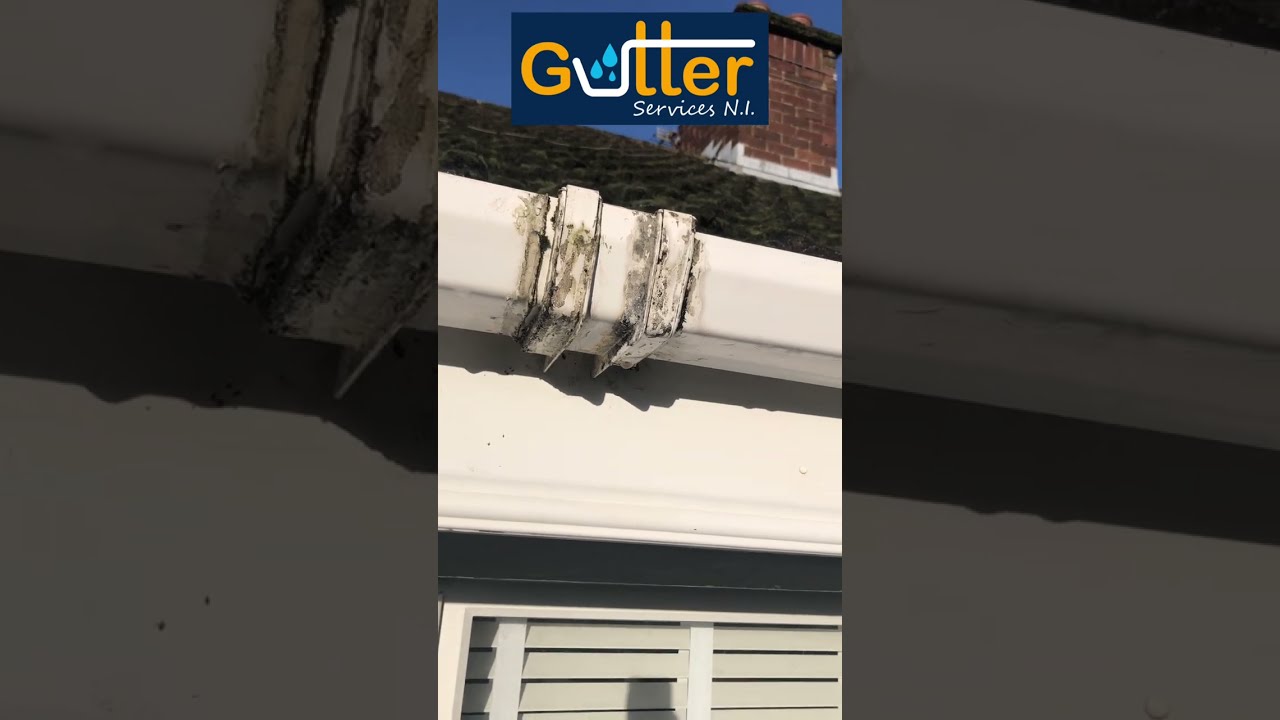
- Deteriorating fasteners: Corroded screws or cracked sealing washers can allow water to enter.
- Debris buildup: Leaves and sediment retain moisture, particularly in valleys and gutters.
- Internal moisture marks: Ceiling stains or damp insulation require investigation, even if no damage is obvious from outside.
Practical Ways to Reduce Corrosion
Keep Gutters and Drainage Paths Clear
Arrange gutter and valley cleaning regularly, with additional attention where nearby trees shed heavily. Clear drainage reduces prolonged wetting and the chance of water backing up beneath roofing. Check drainage before Perth’s winter rainfall and after storms that deposit branches or leaves.
Follow Product-Specific Cleaning Instructions
Many coated-steel products require periodic freshwater washing of surfaces that rain does not reach. Follow the roofing manufacturer’s cleaning schedule, particularly for sheltered areas and marine exposure. Avoid abrasive tools, aggressive chemicals or high-pressure cleaning unless the manufacturer specifically approves them.
Repair Defects Using Compatible Materials
Have damaged flashings, deteriorated fasteners and coating defects assessed promptly. Replacement components must be compatible with the existing roofing. Contact with unsuitable metals, or runoff from copper or lead onto certain coated-steel products, can accelerate corrosion. Painting over visible rust without addressing its cause is not a dependable long-term repair.
Choosing Roofing Suitable for Local Exposure
When replacing a roof, ask the installer to confirm that the proposed sheets, fasteners, flashings and gutters suit the property’s exposure. Manufacturers publish product selection guidance and coastal restrictions, and warranty conditions vary. A standard roofing product is not necessarily suitable for every coastal location.
For an Armadale property, a site-specific assessment helps establish whether standard coated steel is appropriate or whether a more corrosion-resistant specification is justified. Installation should follow current applicable building requirements and manufacturer instructions.
When to Arrange a Roof Inspection
Arrange a professional inspection if you notice rust, recurring leaks, loose sheets or damaged fixings. Periodic inspections are also useful for older roofs or properties with substantial debris buildup. Avoid walking on the roof yourself: falls, slippery surfaces and weakened sheets create serious hazards. Early assessment can identify whether targeted maintenance, localised repairs or replacement offers the most practical solution.
Armadale Roof Restoration
WA, 6112
(08) 9560 7331